
Custom Bag Quality Control: From Material Check to Final AQL Inspection
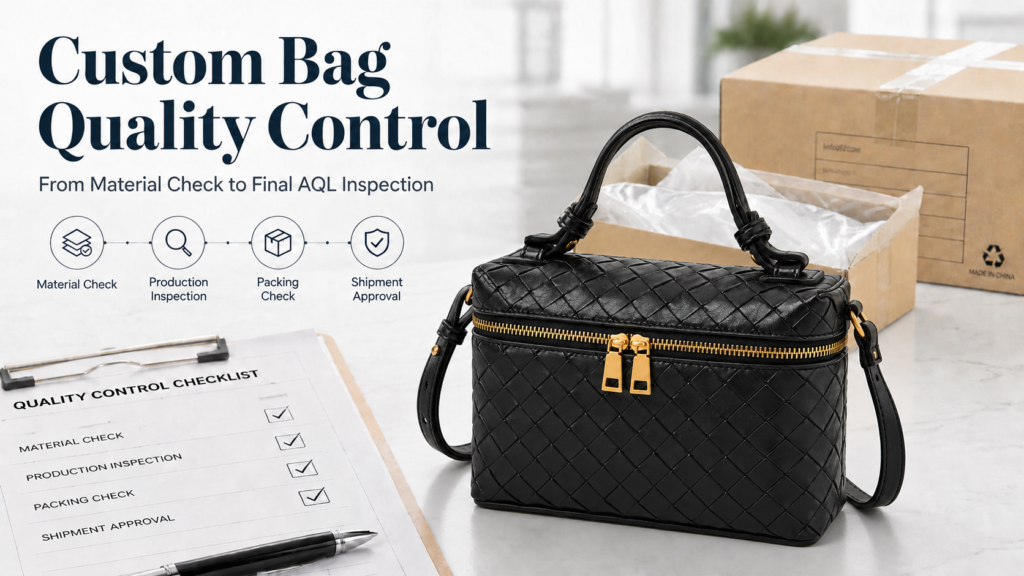
For private label brands, retailers, and importers, custom bag quality control is not a single final check before shipment. It is a complete system that starts from material selection and continues through sample approval, production monitoring, chemical compliance, physical testing, packing inspection, and final AQL inspection. A bag may look attractive in photos, but real quality is proven through details: material consistency, stitching, zipper function, handle strength, hardware finish, lining quality, label accuracy, carton packing, and final shipment approval. At S.MU Accessory, quality is managed as part of the whole manufacturing process. As a custom bag and accessories manufacturer, we support global buyers with OEM/ODM development, China and Cambodia production options, material sourcing, quality control, and shipment follow-up. Our goal is not only to make bags look good, but to help buyers reduce risk and deliver products that are ready for retail. Caption: Finished bag inspection starts with shape, structure, surface, stitching, and overall appearance. Why Quality Control Matters in Custom Bag Manufacturing Custom bags usually involve many adjustable details: material, color, lining, zipper, logo, hardware, handle, strap, inner pocket, packaging, carton mark, and shipping requirements. If one detail is missed, it can affect the full order. For example, a zipper that does not run smoothly may affect user experience. A weak handle connection may create product returns. A wrong label or carton mark may delay warehouse receiving. A material that does not meet chemical requirements may create compliance risk for the buyer’s market. This is why a reliable custom bag manufacturer should not only inspect finished goods at the end. Quality should be controlled from the beginning of the project. At S.MU, our quality process covers: Material checkPre-production reviewIn-line inspectionFunction testingFinal inspectionPacking checkShipment approval This full-process control helps ensure that bulk goods stay consistent with the approved sample and meet buyer requirements. Step 1: Material Check Before Production Material is the foundation of bag quality. Before production starts, the factory needs to check whether the selected material matches the approved sample and buyer specification. This includes color, surface texture, thickness, hand feel, flexibility, smell, backing, and overall appearance. For PU handbags, woven bags, crossbody bags, wallets, backpacks, cosmetic bags, and travel accessories, material consistency is very important. Even a small change in gloss, texture, or softness can affect the final product. At S.MU, material sourcing is connected with quality control. We review materials based on both appearance and performance. For global buyers, material selection is not only about style. It also needs to consider durability, target price, compliance requirements, and final market expectations. Caption: Material and composition labels are checked to confirm product information before shipment.Alt text: Custom bag material composition label inspection for chemical compliance. Step 2: Chemical Compliance Control For international buyers, chemical control is one of the most important quality management areas. If restricted substances are discovered after bulk goods are finished, the cost of correction can be very high. Therefore, chemical compliance should be considered from the material sourcing stage. Custom bags may include PU, fabric, lining, zipper tape, hardware, coating, glue, printing, logo material, and packaging components. Each part may have different compliance risks. Depending on the buyer’s target market and testing requirements, S.MU can support chemical compliance review and third-party testing through recognized laboratories or customer-nominated labs. Common chemical control items may include: AzoPhthalatesLeadCadmiumNickel releaseDMFAAPEOOther restricted substances required by EU REACH or buyer standards This is especially important for buyers selling into the EU, US, UK, Australia, or other international retail markets. Caption: Chemical control starts from material sourcing, before bulk production begins. Step 3: Sample Review and Pre-Production Approval Before bulk production, the approved sample becomes the quality standard. It defines the structure, size, material, color, lining, zipper, hardware, logo, stitching, label, and packing method. During pre-production review, the QC and production teams compare the approved sample with the production file. This step helps reduce misunderstanding before the order starts. Key points to confirm include: Material and colorLogo position and logo methodZipper and hardware colorHandle and strap constructionLining and inside pocketCare label and composition labelPacking methodCarton mark and shipping requirements For private label buyers, this stage is very important because it connects design approval with production execution. A clear sample standard makes the production team easier to follow and makes final inspection more accurate. Step 4: In-Line Inspection During Production In-line inspection helps identify problems while production is still moving. If defects are found early, the factory can correct them before the full batch is completed. For bag production, in-line inspection usually focuses on stitching, edge finishing, shape, zipper installation, handle attachment, lining position, hardware placement, and batch consistency. Caption: Handle connection and attachment points are checked during production to reduce functional risk. Handle and strap areas need special attention because they carry weight during daily use. If the connection is weak, the product may fail even if the appearance looks correct. In-line QC also checks whether each production batch follows the approved sample. This helps control consistency from the first production pieces to the final finished goods. Step 5: Physical Testing for Durability A custom bag must look good, but it also needs to perform well during daily use. Physical testing helps evaluate whether the product can meet practical usage requirements. Depending on the product type and buyer requirements, S.MU may review physical performance such as: Abrasion resistanceTensile strengthSeam strengthStrap pull strengthHandle strengthZipper durabilityHardware functionEdge finishing stabilityLining strengthShape retention For example, a handbag handle must be checked because it is one of the most stressed areas during use. A zipper must be tested because consumers open and close it repeatedly. Hardware must be checked for secure attachment, surface finish, color consistency, and smooth movement. This physical testing mindset helps reduce common quality problems such as broken straps, weak stitching, rough zipper movement, loose pullers, peeling material, or unstable bag shape. Step 6: Zipper and Hardware Function Check Zippers and hardware are small details, but they strongly affect the user experience. A bag can have a beautiful design, but if the