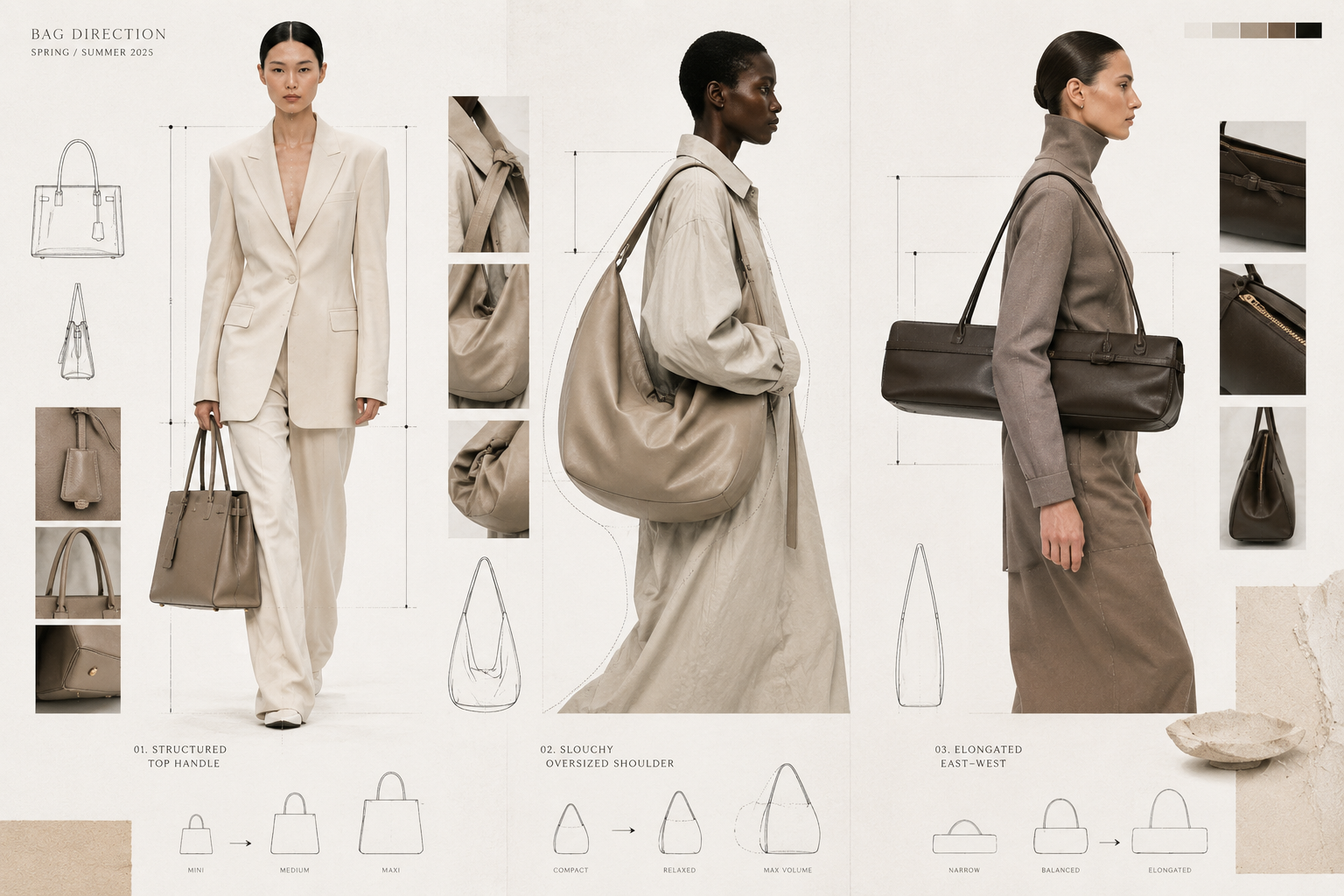
S.MU ACCESSORY supports global buyers with a design process that connects trend research, material exploration, sample development and commercial production. Our design team focuses on creating market-ready bag collections that match buyer briefs, retail positioning and seasonal trends.
Where Creativity Meets Market Needs
In the fast-moving bag and accessories market, good design is not only about creating something beautiful. For global retailers, importers and private-label buyers, design must also be sellable, cost-aware, production-ready and aligned with the target customer.
At S.MU ACCESSORY, our design team works as a bridge between creative ideas and commercial bag development. From trend forecasting to material selection, from sketch review to sample development, we help buyers turn early concepts into practical, market-ready collections.
As a Guangzhou-based bag manufacturer with design and production support, S.MU combines creative development with factory execution. This allows buyers to move from inspiration to sample, and from sample to bulk production with clearer communication and stronger control.
Explore our wider custom bag manufacturing capabilities to see how design connects with production.
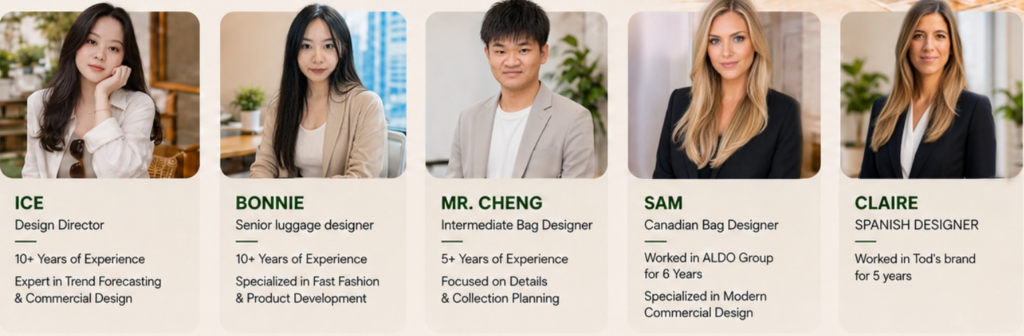
A Design Team Built for Commercial Results
Our design team includes specialists in trend research, style development, material exploration, collection planning and commercialization. Instead of designing only for appearance, we focus on whether each product can meet real retail needs.
For buyers, this means our team can support different stages of product development, including:
- Translating market trends into bag concepts
- Developing new shapes, details and color directions
- Selecting suitable materials, trims and hardware
- Reviewing product structure and usability
- Supporting sample development before production
- Adjusting designs based on buyer feedback and target price
This design approach is especially useful for buyers who need regular seasonal updates, private-label collections or fast fashion bag programs.
From Trend Research to Product Direction
Before a bag design becomes a sample, our team studies fashion trends, material directions, color palettes, market references and commercial styling. This helps buyers avoid developing products based only on guesswork.
Our trend research process includes global fashion references, market observations, runway inspiration, retail analysis and digital design tools. These insights are then translated into moodboards, color stories, material directions and collection structures.
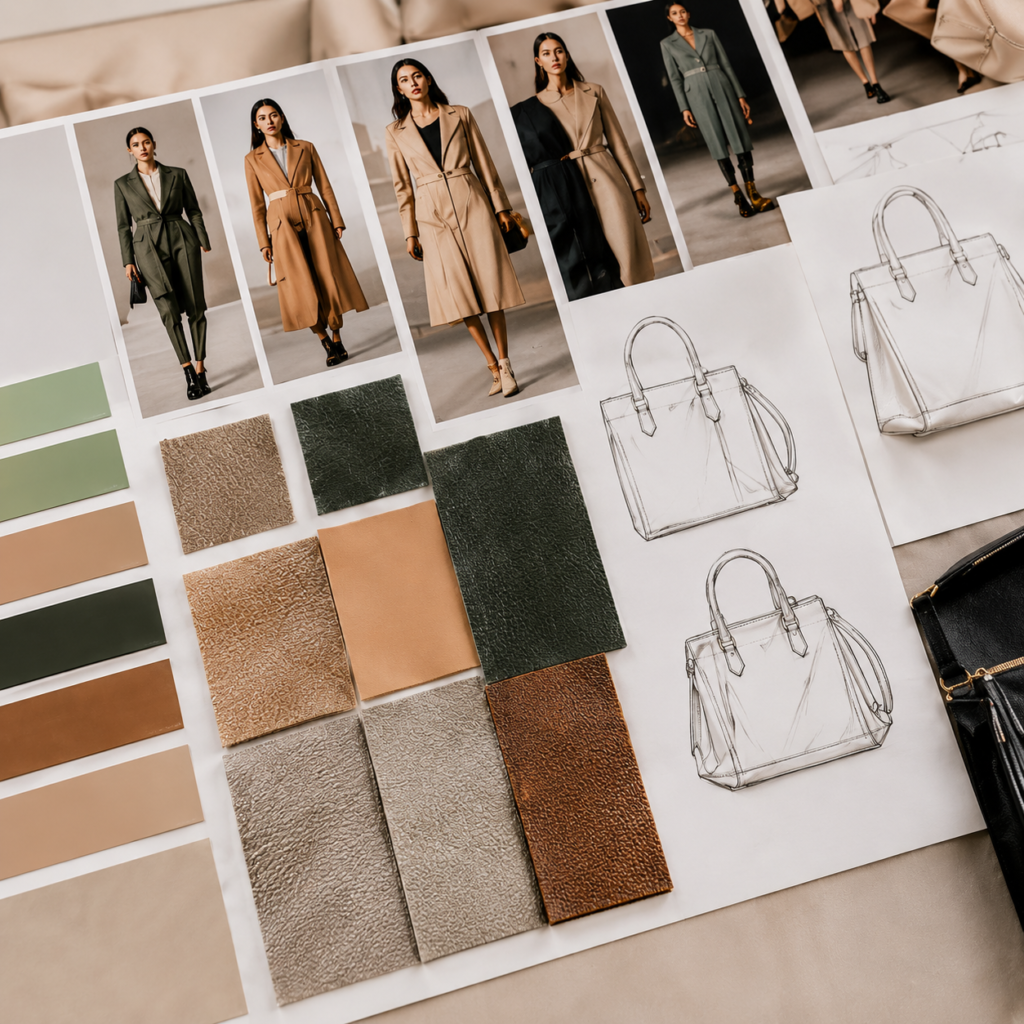
The goal is simple: help buyers create bags that look current, match the market and are easier to commercialize.
For example, when developing a new handbag or tote collection, our design team may review:
- Seasonal color direction
- Popular silhouettes and proportions
- Material texture and finish
- Hardware and zipper details
- Strap length and carrying function
- Retail price positioning
- Buyer’s target customer and sales channel
This allows us to create designs that are not only trend-driven, but also practical for production and retail.
See one of our product directions in the Structured Tote Series.
Sample Development: From Sketch to Physical Review
A strong design process must lead to a real product. That is why sample development is a key part of S.MU’s design service.
For standard projects, sample development can usually be arranged within 5-7 working days, depending on material availability, product complexity and buyer requirements. During this stage, our design and development teams work closely with sampling, material sourcing and production teams.
The sample stage helps buyers confirm:
- Overall shape and proportion
- Material hand-feel and color
- Logo position and branding method
- Strap length and hardware selection
- Interior lining and pocket structure
- Zipper, closure and functional details
- Packaging or label requirements
This process helps reduce misunderstanding before bulk production and gives buyers a clearer product review point.
Material Exploration for Better Product Value
Design is closely connected with material selection. The same bag shape can feel completely different depending on the material, texture, thickness, lining and hardware.
S.MU supports buyers with material exploration across PU, recycled PU, recycled nylon, recycled polyester, canvas and other commonly used bag materials. Our team also considers durability, compliance, cost, texture and visual effect when recommending materials.
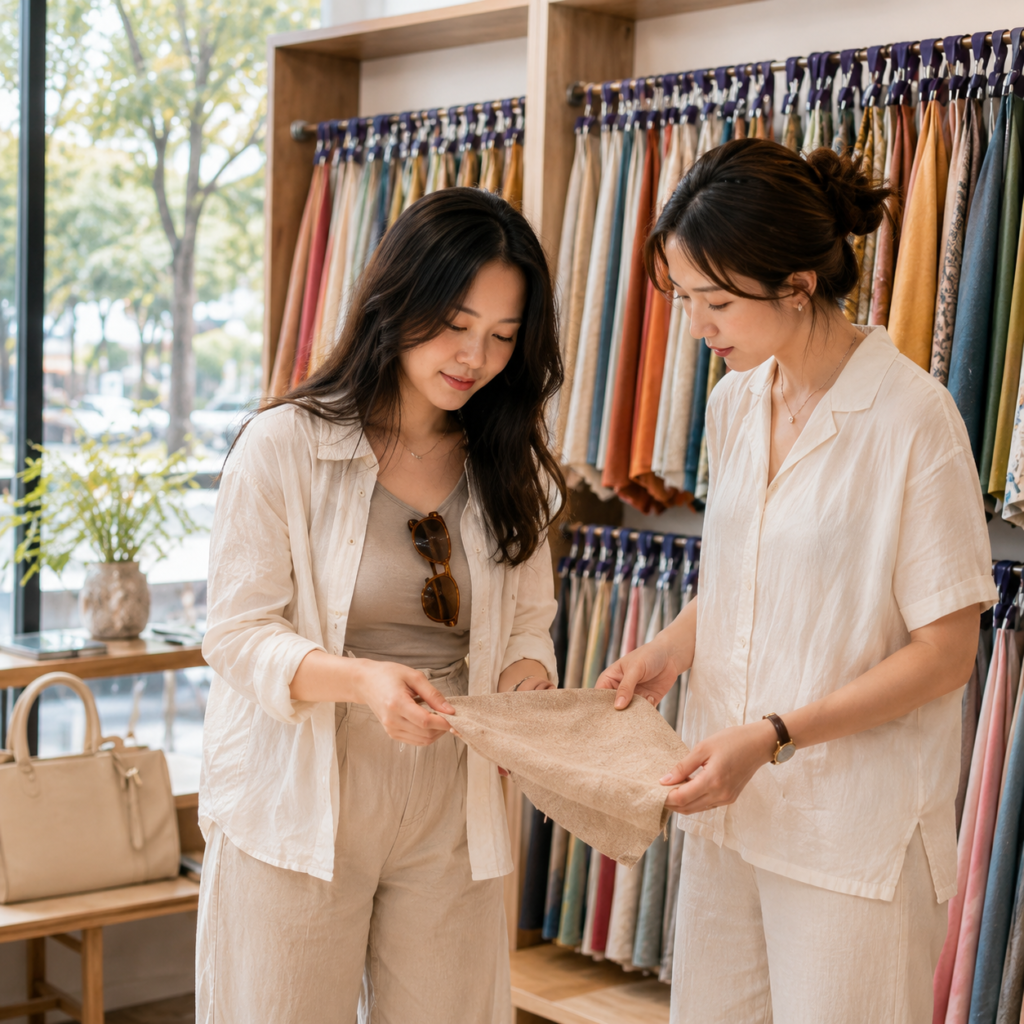
For buyers working on sustainable or eco-conscious collections, material selection is especially important. Recycled PU, recycled nylon, recycled polyester and recycled canvas can help create more responsible product lines while still maintaining a stylish commercial look.
You can also connect this topic with a future blog about sustainable materials and link it to your blog insights.
Design That Connects With Production
One advantage of working with S.MU is that design, sample development, material sourcing, production follow-up and quality control are connected within one workflow.
This helps buyers avoid a common problem: a design looks good on paper, but becomes difficult to produce, unstable in quality or too expensive for the target market.
Our design team considers production from the beginning. During development, we review structure, material usage, sewing feasibility, hardware choice and cost direction. This makes the design process more efficient and helps the final product stay closer to the buyer’s commercial goal.
For global buyers, this integrated approach can improve:
- Development efficiency
- Communication accuracy
- Sample approval speed
- Cost control
- Production consistency
- Collection planning
Showroom Inspiration for Collection Development
Our showroom provides buyers with a visual space to review bag categories, materials, colors and product directions. It helps transform abstract ideas into more concrete collection plans.
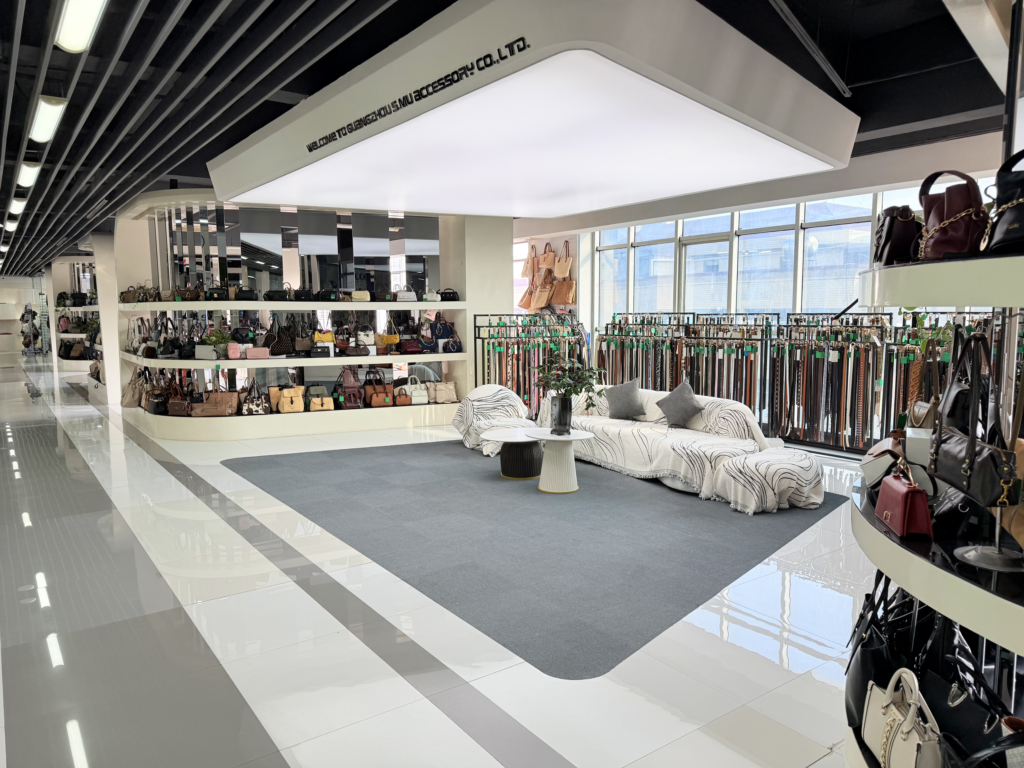
Buyers can use showroom references to compare handbag styles, wallets, evening bags, kids’ bags, cosmetic bags, luggage accessories and other lifestyle products. This makes it easier to discuss collection structure, target price level and market positioning.
A showroom is not just a display area. For design development, it becomes a practical tool for faster decision-making.
Clear Communication Throughout the Design Process
Successful bag development depends on clear communication. S.MU provides buyer support from design discussion to sample adjustment and production follow-up.
Our service process includes dedicated communication, fast response, clear updates and coordination between design, production and QC teams. This is especially important for overseas buyers who need efficient development without being on-site every day.
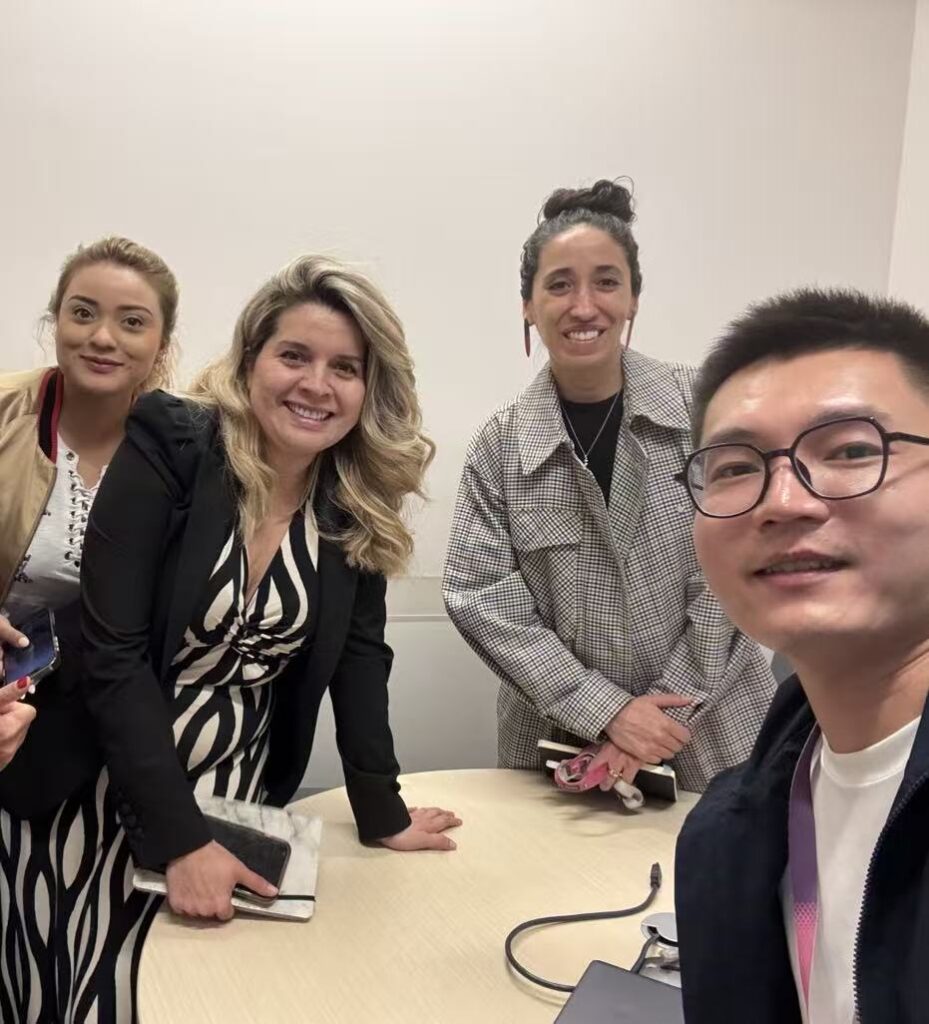
Whether you are creating a new collection, adjusting an existing design or developing a private-label program, our team helps keep the process organized and transparent.
Why Global Buyers Work With S.MU’s Design Team
S.MU’s design support is built for buyers who need more than a basic factory. We help connect creative direction with product execution, giving buyers a smoother path from idea to finished goods.
Our design strengths include:
- Trend-driven design research
- Commercial bag development
- Material and color exploration
- Sample development support
- Production-aware design review
- Buyer-focused communication
- Factory-backed execution
For brands, retailers and private-label buyers, this means each new product can be developed with both style and practicality in mind.
FAQ
What does S.MU’s design team do?
S.MU’s design team supports trend research, style development, material exploration, sample development and commercial bag design for global buyers.
Can S.MU develop bags based on buyer trends or reference images?
Yes. Buyers can provide trend boards, reference images, target prices, material preferences or product briefs. S.MU can help turn these inputs into sample-ready bag designs.
How long does bag sample development usually take?
For standard projects, sample development can usually be arranged within 5-7 working days, depending on product complexity, materials and customization requirements.
Does S.MU support private-label or OEM/ODM bag design?
Yes. S.MU supports OEM and ODM bag development, including custom materials, colors, logo placement, hardware, lining, packaging and collection planning.
What types of bags can S.MU help design?
S.MU supports handbags, tote bags, crossbody bags, wallets, cosmetic bags, evening bags, kids’ bags, travel accessories and other lifestyle bag products.
Ready to Develop Your Next Bag Collection?
If you are looking for a design-driven bag manufacturer that understands trends, samples, materials and production, S.MU ACCESSORY can support your next custom bag project.
Send us your brief, reference images or target collection direction, and our team will help you turn your idea into a market-ready product.